



Pakistan and China have issued a five-point peace proposal for the Middle East as the Iran war has shown no signs of abating. For Islamabad, this is not just foreign diplomacy, but also an effort to position itself as a mediator in the midst of a conflict that could immediately spill over into Pakistan.
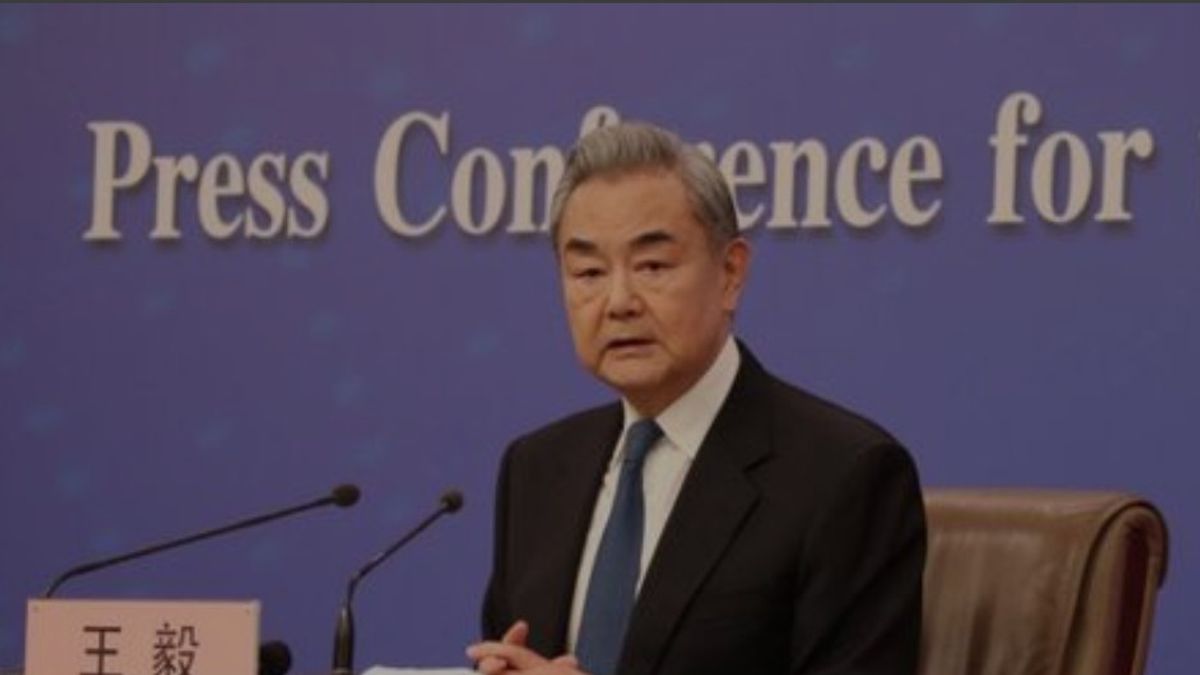
The Guardian, as quoted on Wednesday, April 1, reported that Pakistan's Foreign Minister Ishaq Dar flew to Beijing on Tuesday and met with Chinese Foreign Minister Wang Yi. From the meeting, the two countries called for an immediate ceasefire, protection of waterways including the Strait of Hormuz, and stressed that dialogue and diplomacy are "the only viable option" to end the conflict.
However, until now there has been no significant progress to actually bring together the main parties involved in the war. US President Donald Trump's claim that negotiations with Iran are going "very well" have also been denied by Tehran, which says there have been no direct talks at all.
In a report by The Guardian, Pakistan has recently become more active in offering itself as a liaison between Washington and Tehran. Prime Minister Shehbaz Sharif and Army Chief of Staff Syed Asim Munir are said to have communicated with Trump, Iranian President Masoud Pezeshkian, as well as a number of other world leaders. A number of messages between the two warring countries were also sent through Pakistani intermediaries.
The problem is, Pakistan has a direct stake in this conflict. The country has been affected by disruptions in fuel and gas supplies through the Strait of Hormuz. Pakistan also borders Iran by about 900 kilometers. If the war spreads, the impact could quickly spread to Balochistan, a region that has long been plagued by armed rebellion.
The risk at home is also great. Pakistan has the largest Shiite Muslim population outside Iran. If the conflict drags on, sectarian tensions are feared to be ignited. Dozens of people have reportedly been killed in protests since the US and Israel began bombing Tehran.
Pakistani political analyst Rafiullah Kakar, as quoted by The Guardian, said Islamabad wants to assert its position as a middle power that is taken into account in the Muslim world. However, he also reminded, "Serious instability in Iran will have a direct impact on Pakistan's security." According to him, an escalation of the war will put Islamabad in a very difficult position.
The English, Chinese, Japanese, Arabic, and French versions are automatically generated by the AI. So there may still be inaccuracies in translating, please always see Indonesian as our main language. (system supported by DigitalSiber.id)


