

JAKARTA - Palestinians from both sides, Gaza and Egypt, flocked to the Rafah crossing on Sunday, February 8 local time. They consisted of medical patients and victims of injuries from the Israeli military attack.
AP reported that the Pelestina residents gathered in the courtyard of the Red Crescent hospital in the southern Gaza City of Khan Younis since Sunday morning, before heading to the Rafah crossing with the aim of receiving medical treatment abroad.
One of them, Amjad Abu Jedian, who was injured in an Israeli military attack on Gaza, plans to cross Rafah to receive medical treatment since the first day the border crossing was reopened on February 2, 2026.
However, his mother, Raja Abu Jedian, who accompanied Jedian, was disappointed. Only five patients were allowed to cross the Rafah crossing that day.
Jedian was shot by an Israeli sniper while he was building a simple bathroom in the Bureij refugee camp in the Gaza Strip in July 2024.
On Saturday, February 7, Jedian's family finally received a call from the World Health Organization (WHO) informing them that he was included in the group who could travel on Sunday, February 8.
"We want them to take care of the patients (during the evacuation). We want the Israeli military not to burden them," the WHO said.
Based on a report from the Egyptian government-owned Al-Qahera News satellite TV, a number of Palestinians from the Egyptian side also returned to Gaza through the Rafah crossing border.
According to UN data, during the four days of opening the crossing, only 36 Palestinians planning to cross were allowed to cross into Egypt. They were allowed because they needed medical care and were accompanied by 62 companions.
Palestinian officials said about 20,000 people in Gaza were seeking medical treatment across Rafah because there was no health care in the Israeli-occupied territory in the past two years.
Several people who managed to cross the Rafah crossing admitted that they had encountered obstacles with delays for hours, accusations, bad treatment and invasive searches by the Israeli military and the Israeli-backed Palestinian armed group, Abu Shabab.
For a number of things experienced by civilians, the Israeli military body that oversees the Rafah crossing has not responded even though it has been asked for information.
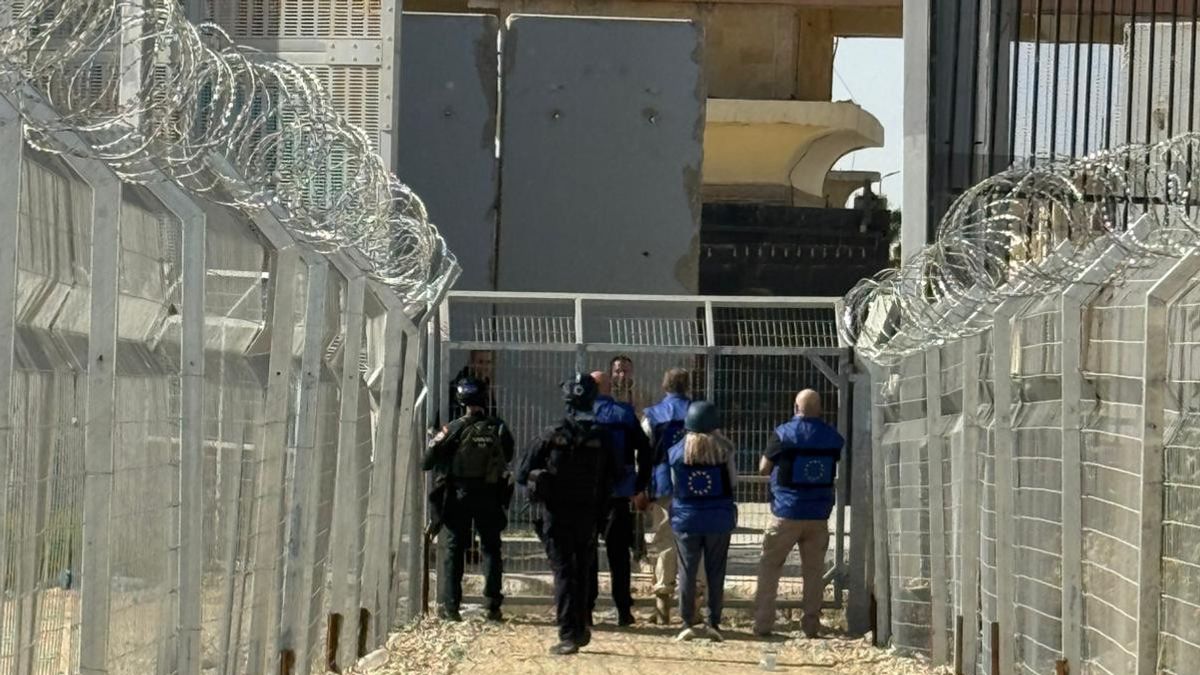
The Palestinian-Egyptian border line at the Rafah crossing is divided into two corridors.
After the crossers were examined by the joint EU and Palestinian authorities in corridor 1, they were then examined by the Israeli military in corridor 2 at a screening facility that was not adjacent to corridor 1.
The Rafah crossing is known to have entered the fourth day of reopening on Sunday, February 8, since it was taken over by Israel in May 2024.
The English, Chinese, Japanese, Arabic, and French versions are automatically generated by the AI. So there may still be inaccuracies in translating, please always see Indonesian as our main language. (system supported by DigitalSiber.id)
Most Popular Tags
#Prabowo Subianto #donald trump #firearm #8791 #giias 2026Popular