



JAKARTA - The Ministry of Health has issued a Circular Letter (SE) Number HK.02.02/C/445/2026 regarding vigilance against Nipah Virus Disease. Nipah virus disease is an emerging zoonotic disease caused by the nipah virus.
Director General of Disease Control at the Ministry of Health, Murti Utami, said vigilance still needed to be increased. Indonesia is considered at risk due to its geographical proximity and high mobility with countries that have experienced extraordinary Nipah virus events.
"Until now, there have been no reports of confirmed cases of Nipah virus disease in humans in Indonesia, but vigilance still needs to be increased given that Indonesia is a high-risk area based on geographical proximity and intensity of mobility with countries that have experienced extraordinary events," Murti said in the circular. , quoted Monday, February 2.
In addition, the results of the research in Indonesia showed serological evidence and virus detection in the natural reservoir of fruit bats which indicates the potential source of transmission in Indonesia.
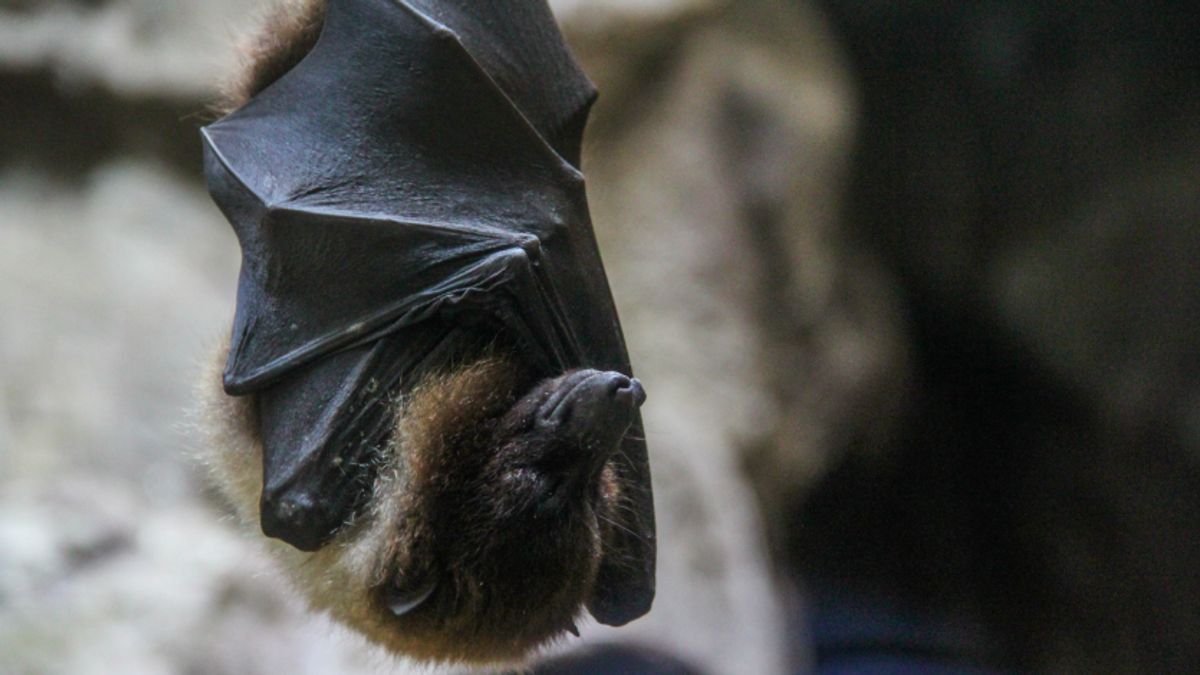
To be more precise, the Nipah virus is a member of the Henipavirus genus of the Paramyxoviridae family. This virus has a natural reservoir in fruit bats (Pteropus sp.) and can be transmitted to humans directly or through intermediate animals such as pigs. Transmission can also occur through the consumption of contaminated food or drinks, such as fruit or sap.
Human-to-human transmission has been reported, mainly through close contact with patients. The clinical manifestations are varied, ranging from mild to severe acute respiratory infections, as well as encephalitis that can cause death.
The mortality rate of the Nipah virus is reported to be quite high, ranging from 40-75 percent. The first outbreak was recorded in 1998-1999 in Sungai Nipah Village, Malaysia, which attacked pig farmers and then spread to Singapore. Human cases have also been reported in India, Bangladesh, and the Philippines.
From 2001 to 2026, cases of the Nipah virus have appeared sporadically in Bangladesh and India. In India, outbreaks have occurred in West Bengal State in 2001 and 2007, and have recurred in Kerala State since 2018.
Most recently, on January 14, 2026, India again reported confirmed cases of the Nipah virus in the State of West Bengal. As of January 26, 2026, two confirmed cases without deaths were recorded in North 24 Parganas District.
"All confirmed cases are health workers. More than 120 close contacts have been identified and all of them are quarantined. A complete investigation is still being carried out," said Murti.
Through this circular, the Ministry of Health also appeals to the public to play an active role in prevention. Some of the steps emphasized include not consuming toddy or are directly from the tree without being cooked, washing and peeling the fruit thoroughly, and throwing away the fruit that shows signs of bat bites.
The public is also asked to consume livestock in a cooked state, avoid infected animals, and implement basic health protocols such as hand washing, coughing and sneezing etiquette, and the use of masks when symptomatic.
In addition, contact with suspected infected livestock, such as pigs and horses, should be avoided. If contact cannot be avoided, the use of personal protective equipment is a must. For health workers, families of patient nurses, and laboratory officers, the implementation of Infection Prevention and Control (PPI) correctly is also emphasized.
The English, Chinese, Japanese, Arabic, and French versions are automatically generated by the AI. So there may still be inaccuracies in translating, please always see Indonesian as our main language. (system supported by DigitalSiber.id)
Most Popular Tags
#Prabowo Subianto #donald trump #2026 World Cup #Febrie Adriansyah #8791Popular


