


UNICEF spokesman Tess Ingram said more than a million children in Gaza still need water and food, while thousands of children sleep hungry every night, despite a ceasefire agreement.
Of this number, around 650,000 children must return to school
In an interview on Sunday Ingram explained that the ceasefire was "good news" because it meant the end of the daily bombing that killed children.
However, "not enough to end hunger or ensure families have access to safe drinking water," he said, launching WAFA November 3.
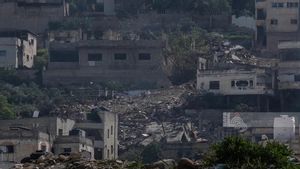
"Families in Gaza are still struggling every day to survive, and infrastructure providing water and medical care for children has been badly damaged, making access to basic services very difficult," he said.
Ingram further said the amount of aid that entered the Gaza Strip after the ceasefire began slightly increased during the first two weeks, but was "still very inadequate", and the number received was still far below the number that entered before the war began.
SEE ALSO:
-
 | BERITA
UNRWA: Kekerasan Koloni Israel di Tepi Barat Mencapai Level Tertinggi
03 November 2025, 16:15 -
 | BERITA
Presiden Trump Pastikan AS Tidak akan Mengirim Rudal Tomahawk ke Ukraina Saat Ini
03 November 2025, 14:00 -
 | BERITA
Gempa 6,3 Skala Richter Tewaskan Sedikitnya 10 Orang di Afghanistan
03 November 2025, 13:25


UNICEF's spokesman noted thousands of children were still sleeping in a state of hunger, while others in hospitals were suffering from treatable illnesses, but the lack of doctors and medicines left them suffering without treatment.
The English, Chinese, Japanese, Arabic, and French versions are automatically generated by the AI. So there may still be inaccuracies in translating, please always see Indonesian as our main language. (system supported by DigitalSiber.id)
Most Popular Tags
#Prabowo Subianto #donald trump #2026 World Cup #Febrie Adriansyah #8791Popular


