


JAKARTA - The Indonesian Child Protection Commission (KPAI) urges the government to temporarily suspend the free nutritious eating program (MBG) for a thorough evaluation. This pressure arose after another case of mass poisoning experienced by children, including at the early childhood education level (PAUD) in Tasikmalaya, West Java.
The food poisoning incident experienced by Indonesian children in the MBG program is no longer tolerable. Finally, children at the age of very young PAUD who have to experience it," said Deputy Chairperson of KPAI, Jasra Putra, in a written statement quoted on Sunday, September 21.
According to Jasra, the condition of the body of an early age is very different from that of an adult. Children find it difficult to describe their health condition, especially if they come from families who are less sensitive or don't pay enough attention. One case of children who have been poisoned by KPAI is quite a lot," he said.
He likened the MBG program to a car that was driven too quickly that he did not have time to see the conditions ahead. The government, he said, needed to step on the brakes for a moment to strengthen supervision, guide instruments, and food safety standards before continuing the program.
KPAI together with the Center for Indonesia's Strategic Development Initiatives (CISDI) and the World Vision Indonesia (WVI) previously conducted a child vote survey related to the MBG program in 12 provinces involving 1,624 respondents. As a result, as many as 583 children claimed to have received damaged, odor, or stale MBG foods. Even 11 respondents continued to eat the food for various reasons.
The children also submitted complaints about the quality and hygiene of food. Several respondents wrote about the experience of accepting vegetables and fruit that were ostensibly, food with an unpleasant odor, and a dirty presentation forum. They asked the MBG provider to keep the food fresh, not stale, and adjust the menu to the needs of the child.
SEE ALSO:
-
 | OLAHRAGA
Fernandes dan Casemiro Selamatkan Amorim Saat Manchester United Kalahkan Chelsea
21 September 2025, 05:30
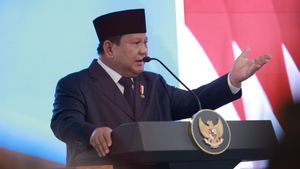

From the survey results, KPAI assessed that there were four main problems in the MBG program. First, aspects of hygiene and food safety that have not been optimal. Second, the timeliness and presentation of food that disappoints children. Third, the lack of deep and sustainable nutrition education. Fourth, the MBG program still tends to be emphasized on the economic aspect, not children's nutrition
"The principle of child protection must be a guideline, from the best interests of children to appreciation for their opinions," said Jasra. He emphasized that the government is obliged to ensure that the free nutritious food provided is safe, quality, and does not pose a risk of mass poisoning.
The English, Chinese, Japanese, Arabic, and French versions are automatically generated by the AI. So there may still be inaccuracies in translating, please always see Indonesian as our main language. (system supported by DigitalSiber.id)
Most Popular Tags
#Prabowo Subianto #donald trump #2026 World Cup #bgn #konflik timur tengahPopular


