
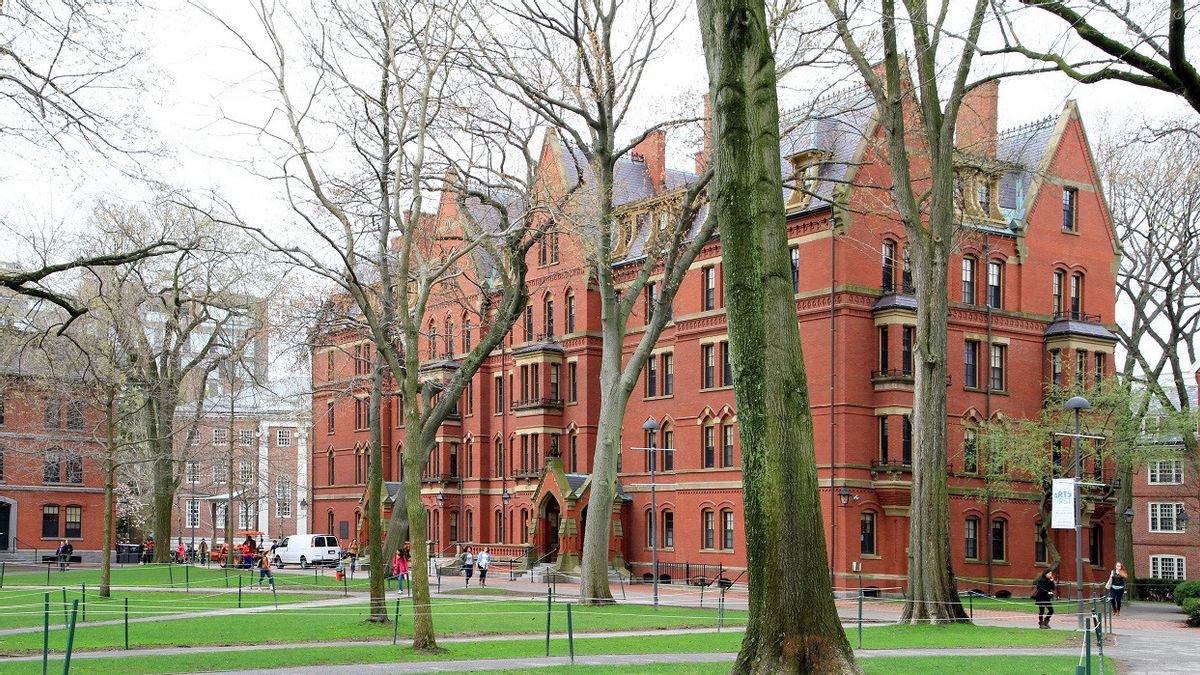


A federal judge said on Monday he would issue a brief extension of an order temporarily blocking President Donald Trump's plan to ban foreign nationals from entering the United States to study at Harvard University, while he decided whether to issue a long-term court order.
US District Judge totaling Burroughs, at the end of a hearing in Boston in Harvard's lawsuit over the restrictions, extended a temporary detention order until June 23 which was set to end on Thursday. He said he wanted to give himself more time to prepare for the verdict.
"We will issue an opinion as soon as possible," he said.
The judge scheduled a hearing after issuing a temporary detention order on June 5 preventing the government from implementing the proclamation Trump had signed the day before.
A preliminary court order will provide Harvard with long-term waivers while his lawsuits continue.
Nearly 6,800 international students attended Harvard in its final school year, which is about 27 percent of the population of students in the prestigious Cambridge-based school in Massachusetts.
The judge, who was appointed by Democrat President Barack Obama, did not mention how he would eventually decide.
However, he said a US Justice Department attorney defending President Trump's policy faced "heavy struggle" to convince him Harvard would not be harmed if the announcement was made.
Ian Gershengorn, the school's lawyer, told the judge that "the impact of the proclamation is devastating to Harvard and his students."
He said President Trump signed the announcement to retaliate for Harvard who violated the right to free speech under the First Amendment of the US Constitution, for refusing to approve administrative demands to control school governance, curriculum and the ideology of its faculty and students.
Justice Department attorneyung Davis denied Congress had given President Trump "very extensive authority" under the Immigration and Citizenship Act to suspend the entry of certain categories of foreign nationals, which the president relies on to address national security concerns at Harvard.
"We don't believe they will accept foreign students," Davis said.
The Trump Presdien administration has launched a multifront attack on the US's oldest university, freezing billions of dollars in grants and other funding, and proposing ending its tax-free status, sparking a series of lawsuits.
Harvard has filed two separate lawsuits before Judge Burroughs who attempted to disburse about 2.5 billion US dollars in funding and prevented the government from preventing international students from studying at the university.
Kristi's Minister of Homeland Security Noem announced on May 22 that its department would immediately revoke the certification of the Harvard Exchange Student and Visitors Program, a government mechanism that would allow it to accept foreign students.
His actions were immediately blocked by Judge Burroughs. While the Department of Homeland Security has switched to challenging Harvard certification through months of administrative proceedings, Judge Burroughs said at the May 29 hearing he plans to issue a "general" order to maintain the status quo.
However, a week later President Trump signed an announcement citing national security concerns to declare Harvard "no longer a trustworthy administrator for international student programs and exchange visitors."
SEE ALSO:
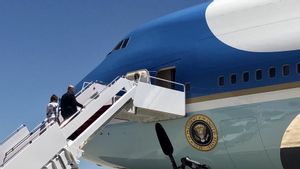




The announcement suspended the entry of foreign nationals to study at Harvard or participate in exchange visitor programs for an initial six month period and directed Foreign Minister Marco Rubio to consider whether to revoke the visas of Harvard-listed international students.
At Monday's hearing, Davis cited Harvard's acceptance of foreign money including from China and what he said was an inadequate response to the government's request for information about foreign students involved in illegal activities during the "enhancement of riots" period on his campus as an example of the national security issue.
President Trump accused Harvard of creating an unsafe environment for Jewish students and allowing antisemitism to develop on his campus. Protests over Israel's treatment of Palestinians during the war with Hamas in Gaza have rocked many university campuses, including Harvard.
The English, Chinese, Japanese, Arabic, and French versions are automatically generated by the AI. So there may still be inaccuracies in translating, please always see Indonesian as our main language. (system supported by DigitalSiber.id)
Most Popular Tags
#Prabowo Subianto #donald trump #Febrie Adriansyah #8791 #giias 2026Popular


