


JAKARTA - The illicit trade of Syrian antiques has increased dramatically since December, according to the findings of the Antiquities Legacy and Trading Anthropology Research Project (Athar).
"The last three to four months have been the biggest flood of antiques trading I've ever seen from any country," Katie Paul, director of Athar told The Guardian, as reported by The National June 11.
Nearly a third of the 1.500 cases of Syrian antique trade documented by the group since 2012 occurred in the months after former President Bashar Al Assad was ousted. The treasure is sold online, especially through Facebook Marketplace.
"When the regime fell, we saw a huge spike in the field," said Amr al-Azm, another director of Athar.
"That is a complete description of all the obstacles that may exist during the regime period that controls looting," he added.
Syria is still in the recovery stage from the destruction of the Ba'ath government led out of al-Assad. The dissolution of the previous government security network and widespread poverty are the driving force behind the looting.
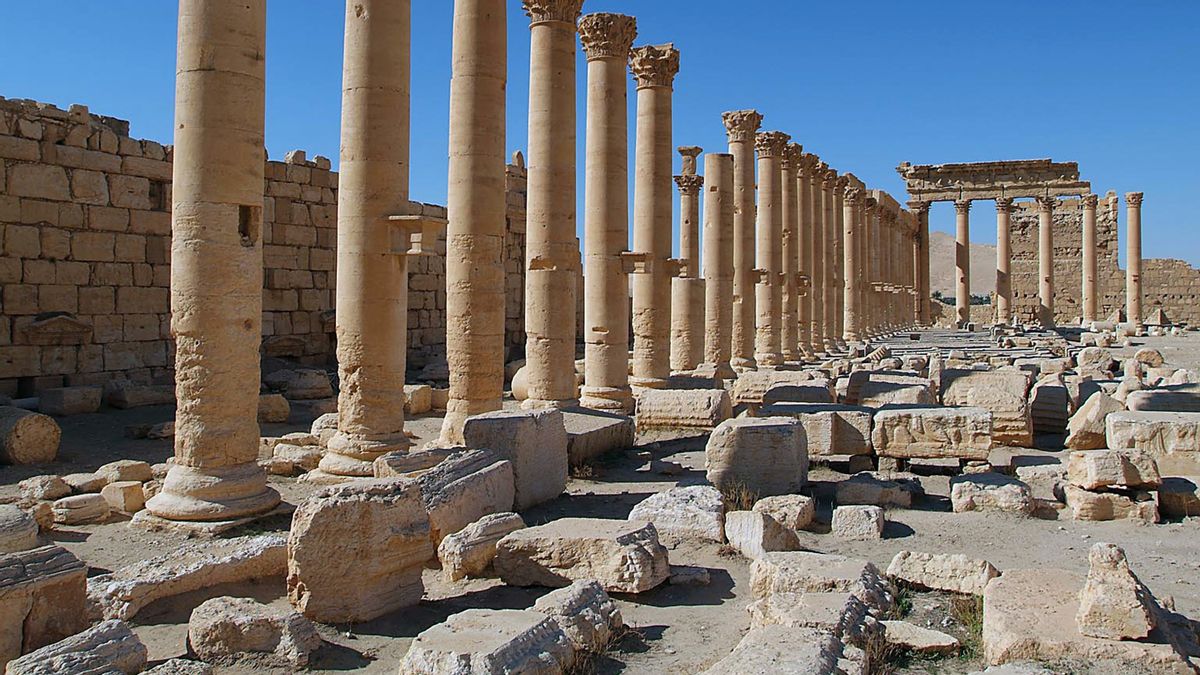
Both professionals and amateurs are involved in the illicit trade. People have excavated heritage sites, such as in Palmyra, with metal detectors and shovels. Meanwhile, criminal networks use heavy machines to extract entire mosaics and statues from archaeological sites.
Facebook is currently hosting dozens of groups with members buying and selling metal detectors, uploading images of pottery, coins, mosaics to manuscripts and trying to assess them.
Given the rich history of Syria and the location of the region at the intersection of the empire, these antiques came from several civilizations, including Ashur, Babylonian, Egypt, Greece to the Romans.
Thwarting the illicit trade is a huge task. The new Syrian government seeks to limit looting, proposing financial incentives for those returning the findings and threatening a prison sentence of up to 15 years. However, given the lack of government resources and the fact that 90 percent of Syrian society lives below the poverty line, looting is still widespread.
SEE ALSO:





The responsibility to end the illicit trade can be borne by the West, which is where most stolen antiques are sold.
"How do we stop it? Stop the demand in the West," said al-Azm, professor of Middle East history and anthropology at Ohio's Shawnee State University.
"Until security issues improve, you will not see improvements. We focus on the supply side to remove the responsibility of the West," he said.
The English, Chinese, Japanese, Arabic, and French versions are automatically generated by the AI. So there may still be inaccuracies in translating, please always see Indonesian as our main language. (system supported by DigitalSiber.id)


