


UN spokesman Stéphane Dujarric said the daily amount of food given to civilians in the Gaza Strip decreased 70 percent this week compared to last week.
In a statement during a press conference at the UN headquarters in New York on Tuesday, he stressed the importance of the UN team entering Gaza and identifying the needs of citizens in the Palestinian enclave.
He pointed out that the number of daily foods in the Gaza Strip decreased from 840,000 meals last week to 260,000, a decrease of about 70 percent, according to WAFA May 14.
Furthermore, Dujarric emphasized that humanitarian aid is not limited to food.
He pointed to the need to provide water, health, nutrition, education, and direct protection services to Palestinians in the Gaza Strip.
A UN spokesman warned that fuel was running low in health and water facilities within the Gaza Strip, which has been under a tight Israeli blockade since last March.
"Health services in Gaza are on the verge of collapse, as hospitals face as many injured victims amid a shortage of basic supplies, equipment, blood and medical personnel," he said.
The World Health Organization (WHO) has previously stated that preventing direct access to food and critical supplies in the Gaza Strip has led to "more deaths and falling into hunger."
SEE ALSO:



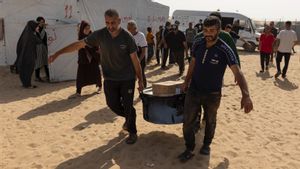

The organization refers to an analysis of the Integrated Food Safety Phase Classification (IPC) released on Monday, which states 470,000 people in Gaza face "very severe hunger rates (Fase 5 IPC)," and all residents suffer from acute food insecurity.
The report also noted that around 71,000 children and more than 17,000 mothers are expected to require immediate treatment due to acute malnutrition.
The English, Chinese, Japanese, Arabic, and French versions are automatically generated by the AI. So there may still be inaccuracies in translating, please always see Indonesian as our main language. (system supported by DigitalSiber.id)
Most Popular Tags
#Prabowo Subianto #donald trump #Febrie Adriansyah #8791 #giias 2026Popular


