

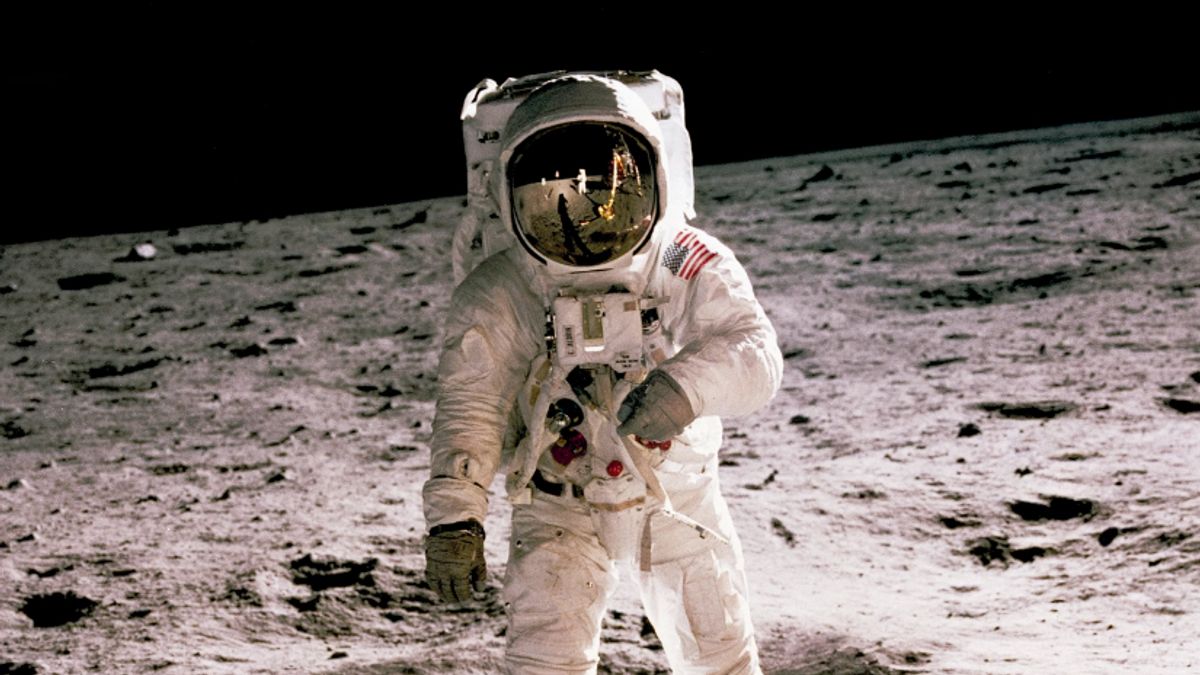


JAKARTA - The crew of the Chinese spacecraft Shenzhou-19 conducted a series of artificial photosynthetic experiments on the Tiangong space station.
The series of experiments resulted in oxygen (O2) and rocket fuel components for the first time in history, according to a South China Morning Post report, Monday, January 13.
In a series of 12 experiments using a drawer-shaped device, the crew is capable of producing oxygen and hydrocarbon ethylene that can be used to make spacecraft fuel, the report reads.
As reported by ANTARA from Sputnik-OANA, previous photosynthetic-related experiments have been carried out on the International Space Station (ISS), focusing on planting plants and studying the influence of microgravity on natural photosynthetics, according to the report.
However, the ISS is reportedly relying more on electrolysis to support astronauts' living needs, namely using electricity from station solar panels to separate water from hydrogen and oxygen, thus providing air for astronauts to breathe.
SEE ALSO:
-
 | BERITA
Era Trump Dimulai, Warga Sipil Ukraina di Tengah Ketidakpastian Berakhirnya Perang
20 Januari 2025, 23:27 -
 | BERITA
Trump Serukan Tekan Inflasi Demi Warga Amerika, Tingkatkan Pasokan Energi ‘Lawan’ China
20 Januari 2025, 22:50 -
 | BERITA
Doa Paus Fransiskus untuk Trump: Tuhan Berikan Kebijaksanaan, Kekuatan dan Perlindungan
20 Januari 2025, 21:00

China completed the construction of the Tiangong space station in November 2022.
The station can accommodate three astronauts and is estimated to have an operating period of up to 15 years.
The English, Chinese, Japanese, Arabic, and French versions are automatically generated by the AI. So there may still be inaccuracies in translating, please always see Indonesian as our main language. (system supported by DigitalSiber.id)
Most Popular Tags
#Prabowo Subianto #donald trump #Febrie Adriansyah #8791 #giias 2026Popular


